
PREVENTATIVE MAINTENANCE
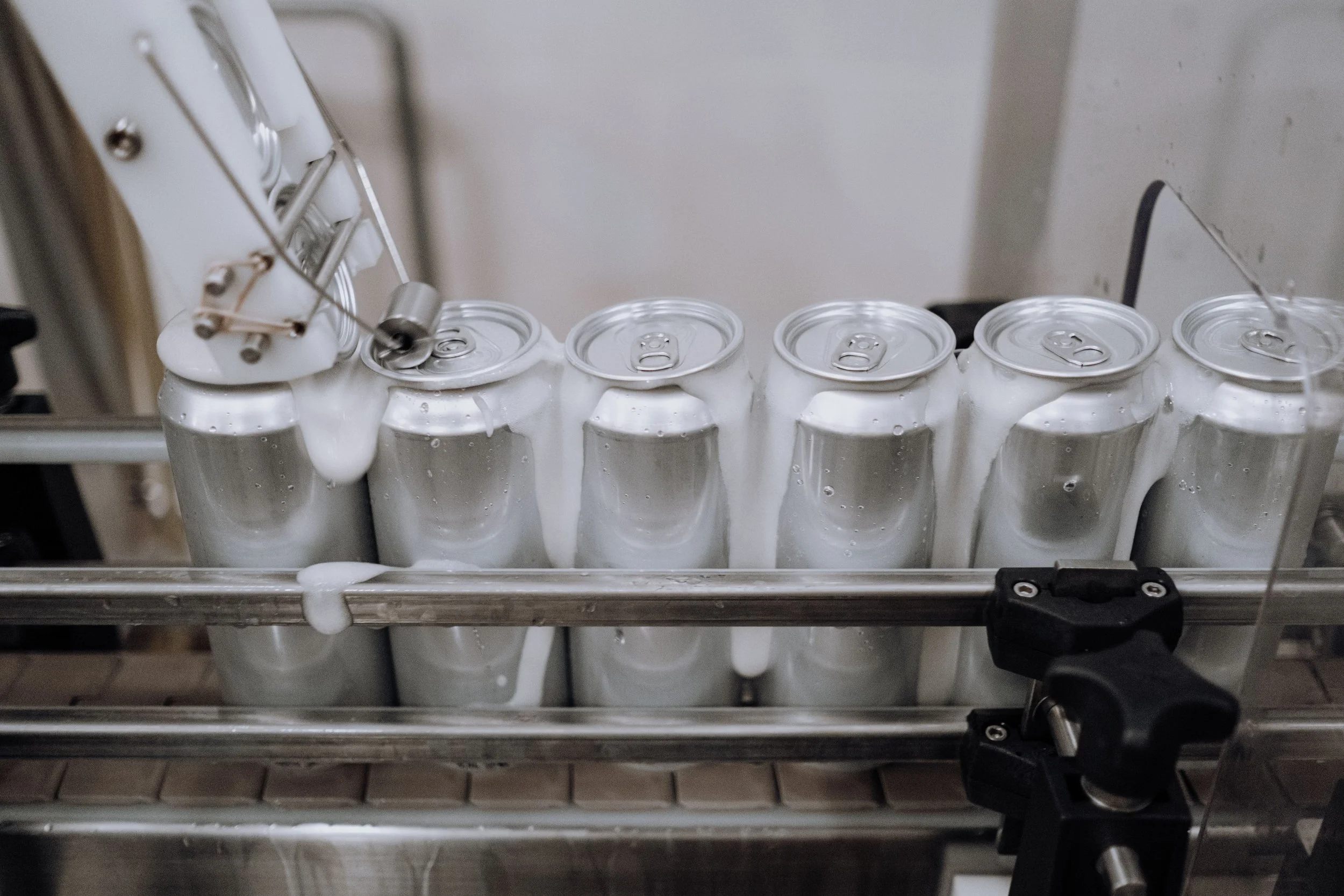
DOWNTIME COSTS MORE THAN MAINTENANCE.
When the line is running, preventative maintenance can feel like an unnecessary expense.
Why stop a machine that’s working? Because waiting until it stops on its own is usually far more expensive.
A breakdown can mean a cancelled packaging run, idle staff, delayed orders, wasted product, emergency parts and lost production. In many operations, one lost production day can cost more than a preventative maintenance program for the entire year.
FIX IT BEFORE IT STOPS YOU.
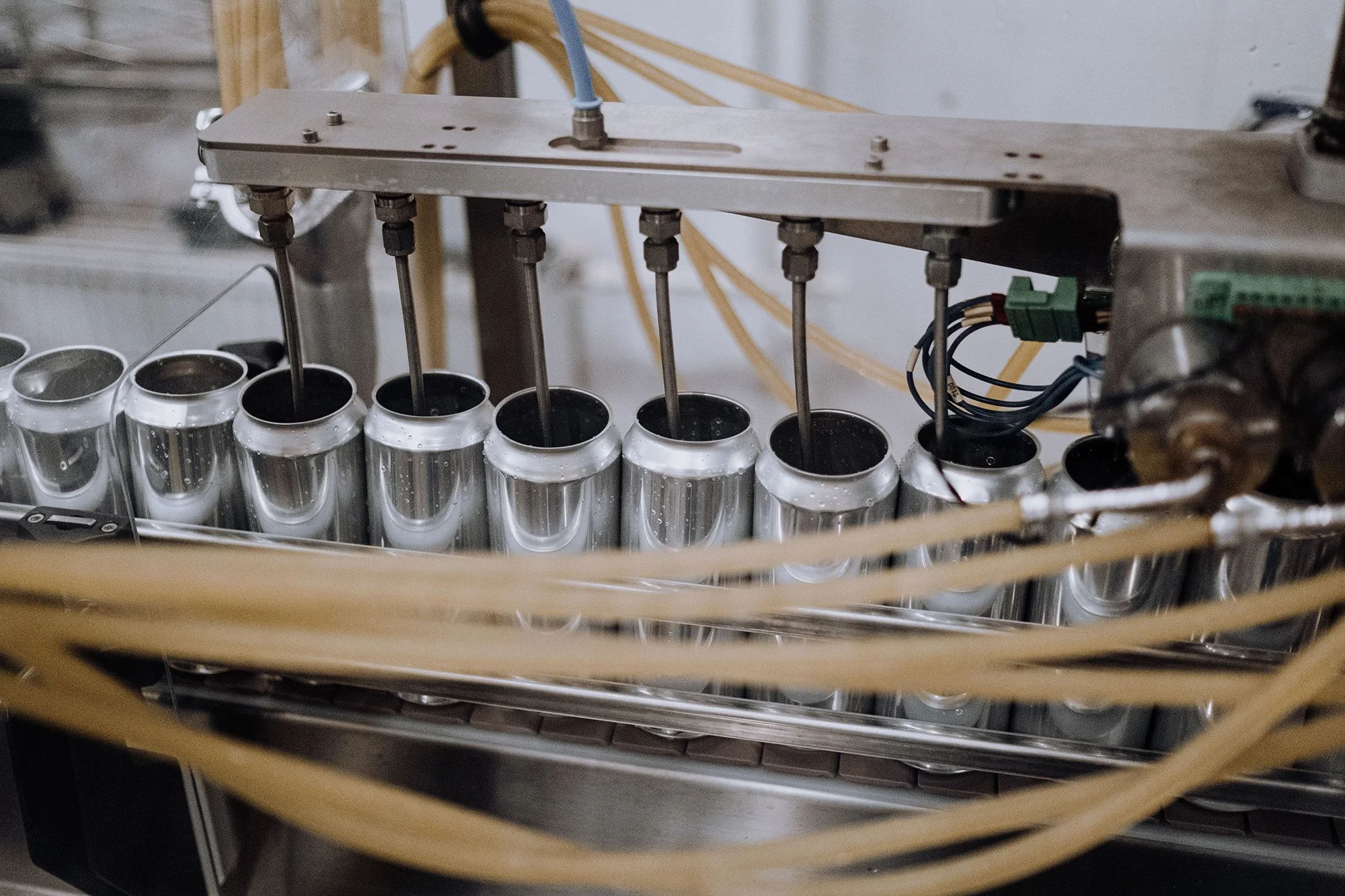
Most equipment problems don’t happen overnight.
Bearings wear. Seals deteriorate. Sensors move. Fasteners loosen. Pneumatic components develop leaks. Seamers drift out of adjustment.
Scheduled maintenance gives you the opportunity to find those problems while they’re still small, predictable and relatively inexpensive to fix.
GEC Systems can inspect your equipment, identify wear, replace service components, make adjustments and flag developing issues before they become production-stopping failures.
PLAN YOUR DOWNTIME. DON’T LET YOUR MACHINE CHOOSE IT FOR YOU.
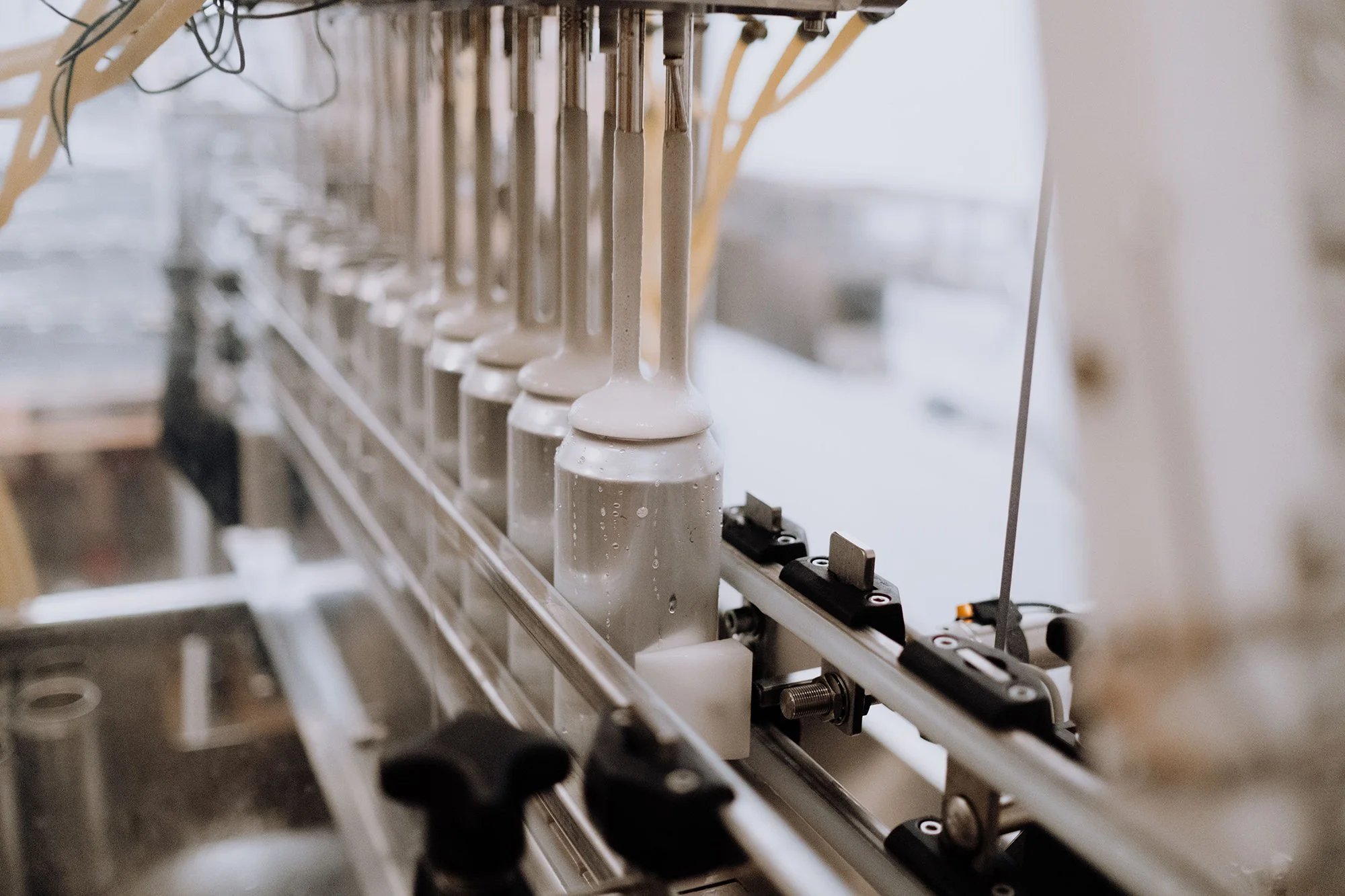
There’s a big difference between scheduling maintenance around production and having your line stop halfway through an important packaging run.
We’ll work with your team to build a practical maintenance schedule based on your equipment, production volume and operating environment.
The goal isn’t more service calls.
It’s fewer emergencies, fewer surprises and more cans moving out the door.
A RUNNING LINE ISN’T ALWAYS A HEALTHY LINE.
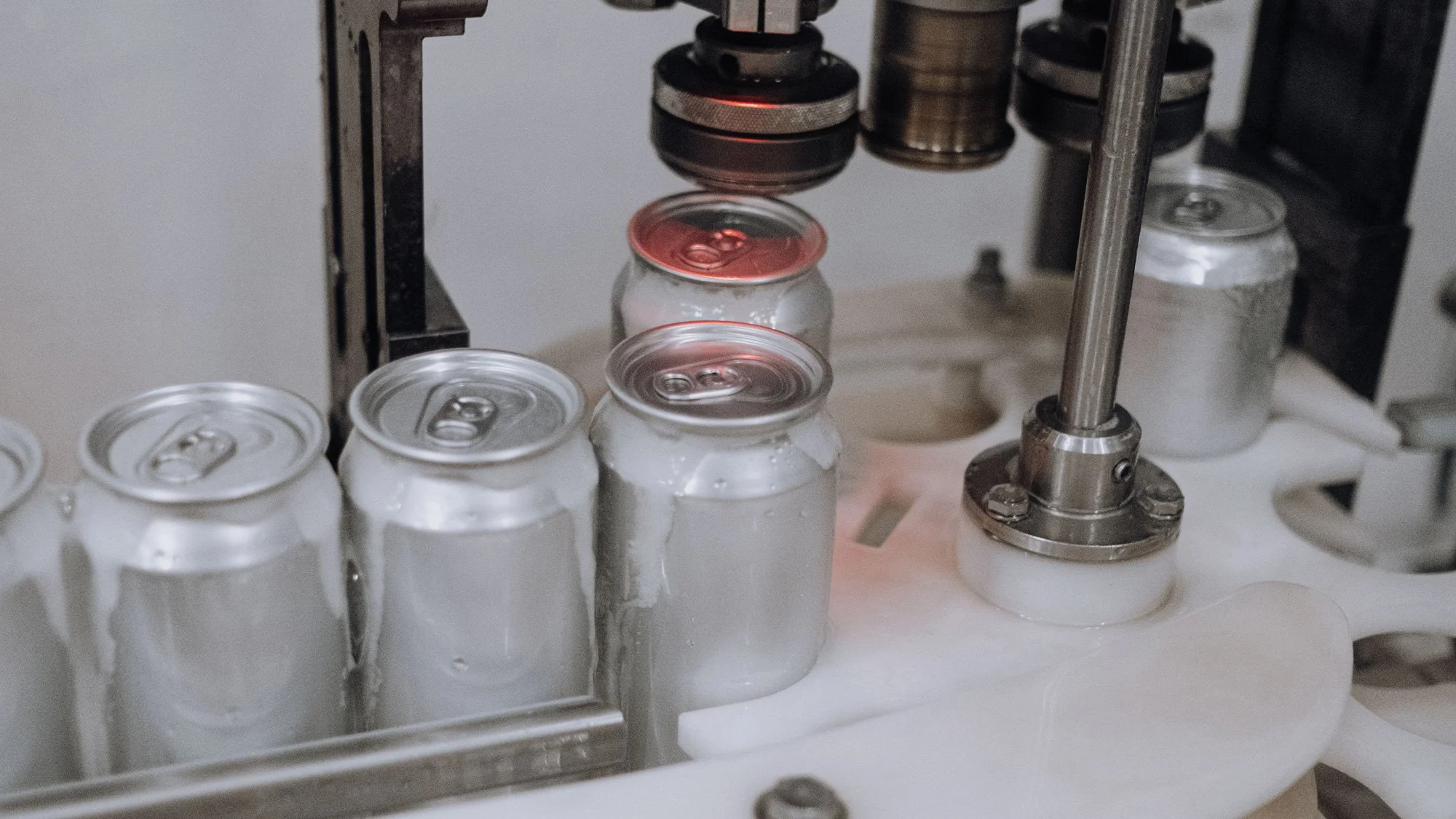
A canning line that has drifted out of adjustment can continue producing cans while compromising fill consistency, seams or package integrity. The problem may not become obvious until that product is already sitting on a store shelf or in a customer’s fridge.
At that point, the cost is bigger than a repair. It can mean wasted product, returns and customers opening a beer that doesn’t taste the way you intended.
You put too much work into the product inside the can to let the packaging process compromise it.
CHOOSE THE PROGRAM THAT FITS YOUR PRODUCTION.
Not every canning operation runs at the same volume. GEC offers three preventative maintenance options so you can choose the level of support that makes sense for your equipment and production schedule.
Single Visit
CAD$1800 Plus travel and parts costs
A comprehensive check-up when you want an expert set of eyes on your line.
We’ll inspect the equipment, identify developing issues, make necessary adjustments and give you a clear picture of anything that needs attention.
TWICE YEARLY
CAD$3200 Plus travel and parts costs
Scheduled maintenance every six months to catch wear, make adjustments and deal with smaller issues before they become expensive ones.
A great fit for canning lines running consistent production throughout the year.
QUARTERLY
CAD$6000 Plus travel and parts costs
For breweries where precision, consistency and quality are non-negotiable.
Four scheduled visits each year keep your canning line operating to the standard you expect, with regular inspections, adjustments and early identification of developing issues.
For operations that take excellence seriously and downtime isn’t part of the plan.
BUILD A MAINTENANCE SCHEDULE THAT MAKES SENSE.
We can work with your team to develop a practical preventative maintenance schedule based on your equipment, production volume, operating environment and existing maintenance practices. Fill in the form to get the conversation started.